← Alle 7 Technischen Spezifikationsgruppen (Übersicht)
🧼 ISO 3758 Pflegesymbole • 30°C / 400 U/min • Reinigung von Blackout, Samt, Holzjalousie & Rollo • PTFE-Schienenpflege
7 Fachgruppen:
🪵 1. Holzjalousie Pakethöhe🔥 2. Flammschutz-Standards (IFR/FR)☀️ 3. Blackout, Dimout & Screen Optik🧪 4. Textilausrüstung, Lichtechtheit & Ökologie🧵 5. Vorhanggruppen, Webart & Konfektion⚡ 6. Motoren, Automation & Akustik🔩 7. Schienen, Stangen, Wellen & Zubehör🎮 8. Motoren-Marken & Bedienungsanleitung🧼 9. Vorhangpflege, Wäsche & Wartung
🧼 INTERNATIONALE INGENIEUR- & AUSSCHREIBUNGSSPEZIFIKATION
Experten-Pflegeleitfaden: Waschen, Bügeln, Fleckentfernung & Schienenwartung für alle Vorhangtypen
Fachgerechte Pflege- und Waschanleitung (ISO 3758) für Stores/Voile, 3-Pass Blackout, Dimout, Samt, 50mm Holzjalousien, Rollos, Plissees und Aluminiumschienen.
- ✓Bügelfreie Store-Wäsche: 30°C Feinwäsche im Wäschenetz, max. 400 U/min Schleudern und feucht aufhängen
- ✓Wichtiger Pflegeunterschied: 3-Pass Blackout (Beschichtung nicht schleudern) vs. Dimout (30°C waschbar)
- ✓Reinigung von Holzjalousien, Rollos & Plissees sowie trockenes PTFE-Silikonspray für Laufschienen

GEPRÜFTE TECHNISCHE DATENTABELLE (ISO / EN / DIN / NFPA)
ISO 3758 Pflegenormen • 30°C 400 Devir Ku
Table 9 — Master Curtain Care Guide: Washing, Ironing, Stain Removal & Hardware Maintenance by Curtain Type
| Curtain Group & Fabric Type | Washing Temp, Spin & Method (ISO 3758) | Drying & Ironing Technique | Critical Mistakes to Avoid | Annual Hardware & Track Maintenance Tip |
|---|---|---|---|---|
| Sheer Curtains (Voile, PES Slub Linen, Guipure, S-Wave) | 30°C Delicate Cycle • Max 400 RPM Spin (or No Spin) • Wash inside a Mesh Laundry Bag with gliders attached; no optical bleach | Hang damp directly onto the track immediately after washing; the bottom lead weight cord pulls creases out naturally without ironing. | Hot water (>40°C), high spin (>800 RPM), and chlorine bleach break heat-set fibers and cause permanent creasing. | Wipe aluminum track channel annually and apply dry PTFE silicone spray (never use liquid oil or WD-40). |
| 3-Pass Coated Blackout vs. Triple-Weave Dimout Drapery | 3-Pass Coated Blackout: Dry Clean Only or Damp Microfiber Wipe • Triple-Weave Dimout: Machine Washable at 30°C / 400 RPM | Hang Dimout damp or iron face side at low heat (110°C). Never touch a hot iron to the white acrylic foam back of 3-Pass Blackout! | Machine spinning 3-Pass foam-coated blackout causes the acrylic layers to stick together and peel (pinhole light leaks). | Check track end-stops and S-Wave cord snap carriers once a year on heavy blackout drapery. |
| Silk Velvet, Chenille & 100% Natural Flax Linen Drapery | Professional Dry Cleaning Only (Perchloroethylene — P Symbol) • Routine care: vacuum downward using a soft brush attachment | Steam vertically while hanging using a garment steamer held 5 cm away in the direction of the pile. | Wet-washing 100% natural linen causes 4%–6% shrinkage; flat-ironing velvet crushes the pile and leaves permanent shiny marks. | Rotate tieback positions slightly during summer months to equalize sun exposure along the leading edge. |
| 50mm & 25mm Kiln-Dried Wood (White, Walnut, Mahogany, Oak, Grey, Black) & Polymer Venetian Blinds | Natural Wood: Never wash with water! Dust with ostrich feather duster or barely damp cloth • Polymer (Faux-Wood): Washable with mild soap | Close slats flat to wipe the front face, then tilt 180° to wipe the back face parallel to the wood grain. | Hosing down natural Wood (White, Walnut, Mahogany, Oak, Grey, Black) blinds or using steam cleaners cracks the UV lacquer and warps timber slats. | Apply a light natural beeswax/wood conditioner every 2 years to preserve timber luster. |
| Roller, Zebra, Sheer Roller & Solar Screen Blinds | Never put in a washing machine! Wipe flat on a clean surface with neutral-pH foam or use Ultrasonic Blind Cleaning | Never roll up while wet (prevents mildew); leave fully lowered to dry at room temperature. | Folding or scrubbing roller fabric breaks the acrylic stiffener finish, causing frayed edges and V-rippling. | Pull bead chains vertically (90° straight down) rather than at an angle to extend clutch gear life beyond 10 years. |
| Plisse (Balcony) & Duet Honeycomb Cellular Shades | Soak for 15 min in a 30°C lukewarm mild soap bath (keep aluminum profiles out of water) and rinse with a gentle shower head | Compress the blind into a tight closed stack while wet, squeeze out excess water by hand, reinstall, and dry partially stacked. | Drying a Plisse shade fully extended while wet relaxes the 20mm heat-set accordion pleat memory. | Check bottom shoe spring tension annually on glass-balcony plisse cords; keep bleach away from tension cords. |
🧼 Atelier-Geheimnis: Bügelfreie Gardinen & PTFE-Schienenpflege
30°C Feinwäsche + Wäschenetz + max. 400 U/min + feucht aufhängen = 100% glatter Fall ohne Bügeln. Für Schienen nur PTFE-Trockensilikonspray verwenden.
📸 2K Architektur- & Materialdetail-Galerie
🧼 #9.1
🔍 2K Zoom
9. Vorhangpflege, Wäsche & Wartung — #1
ISO 3758 Pflegesymbole • 30°C / 400 U/min • Reinigung von Blackout, Samt, Holzjalousie & Rollo • PTFE-Schienenpflege
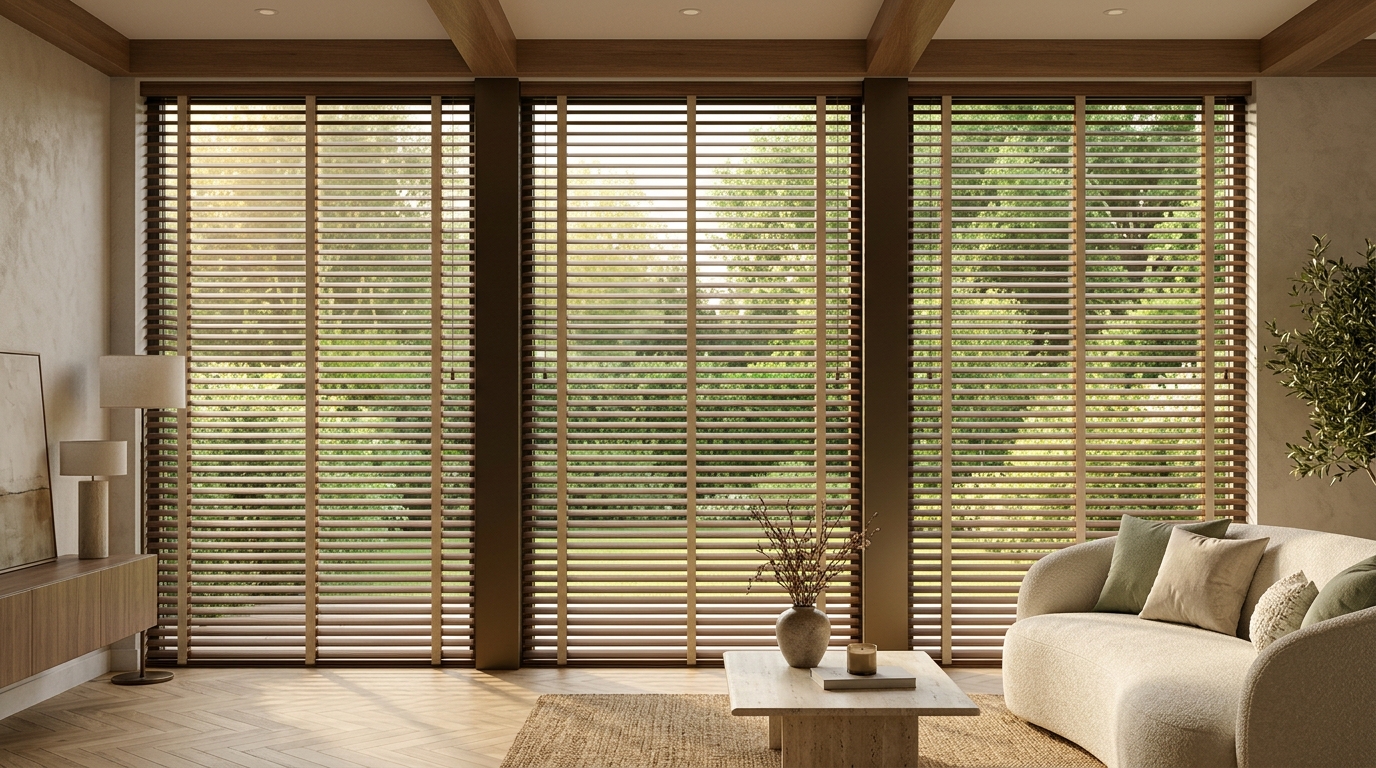 🧼 #9.2
🔍 2K Zoom
9. Vorhangpflege, Wäsche & Wartung — #2
ISO 3758 Pflegesymbole • 30°C / 400 U/min • Reinigung von Blackout, Samt, Holzjalousie & Rollo • PTFE-Schienenpflege
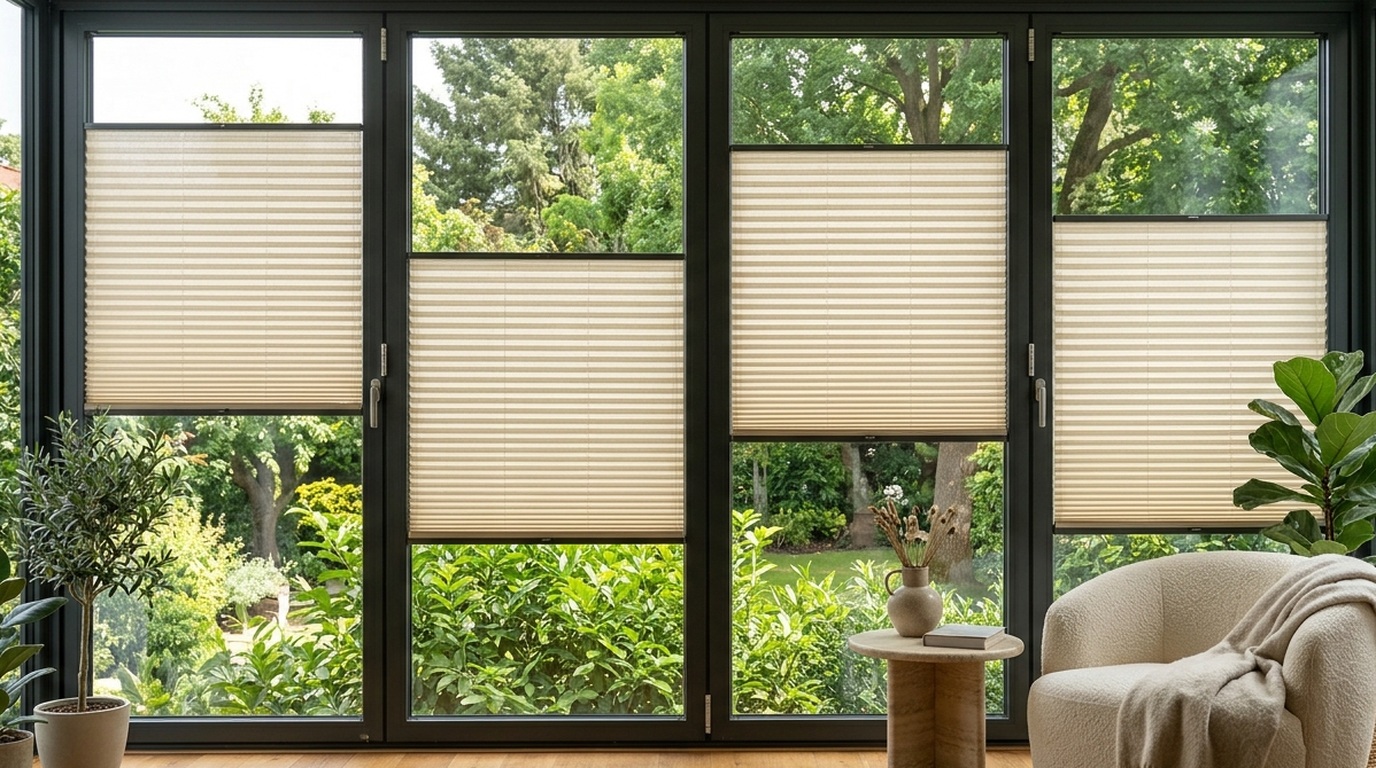 🧼 #9.3
🔍 2K Zoom
9. Vorhangpflege, Wäsche & Wartung — #3
ISO 3758 Pflegesymbole • 30°C / 400 U/min • Reinigung von Blackout, Samt, Holzjalousie & Rollo • PTFE-Schienenpflege
❓ Häufig gestellte Ingenieur- & Ausschreibungsfragen
❓ Wie wäscht man Gardinen und Stores völlig knitterfrei?
Gleiter dranlassen, im Wäschenetz bei 30°C und maximal 400 U/min waschen und sofort feucht aufhängen – das Bleiband zieht den Stoff beim Trocknen glatt.